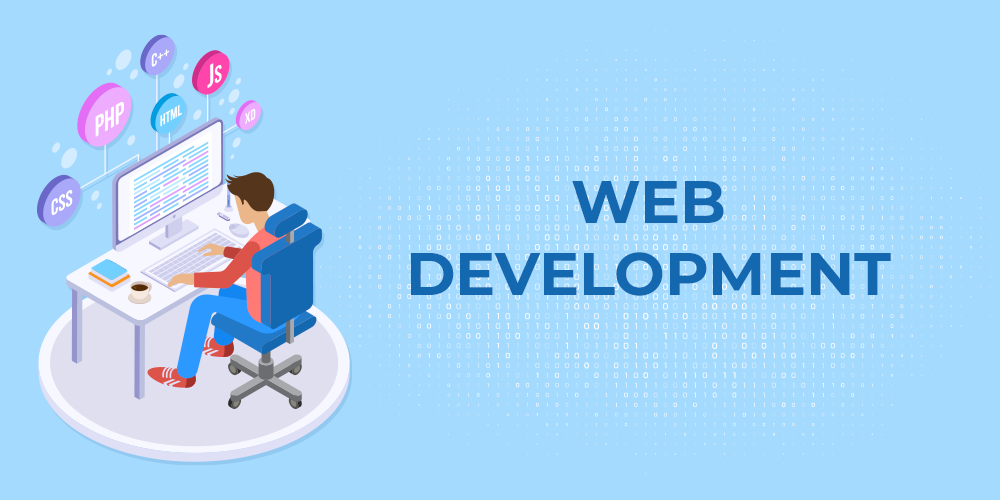
A strong online presence now depends on more than a good-looking website. In 2026, web development plays a direct role in how businesses earn trust, improve visibility, and turn traffic into real leads or sales. It shapes speed, usability, security, and the overall experience people get from a site.
Google’s own guidance continues to stress helpful content, crawlable structure, and clear page signals, which means the technical side of a website matters as much as the written message.
What Is Web Development?
Web development is the process of building and maintaining websites and web applications. It covers the parts users see, the systems working behind the scenes, the database layer, and the integrations that keep everything running.
The field includes frontend development, backend development, and full-stack development, depending on the scope of the work. The source draft you shared frames it the same way: development is what turns design ideas into a site that actually works.
It is also different from web design. When a checkout page works smoothly or a booking form sends the right details, that result comes from smart web development.
Why Web Development Matters in 2026
In 2026, web development is not just a technical service. It is a business growth tool. A website often creates the first real impression of a company, so speed, mobile usability, accessibility, and site stability all affect whether a visitor stays or leaves.
Google continues to recommend people-first content and crawlable links, which means a weak technical setup can limit the value of even the best-written page.
For publishers and guest post websites, it can support better indexing, stronger internal linking, and a smoother path from search result to page engagement. That is why website development now connects directly to marketing performance.
Types of Web Development
Frontend Development
This covers what users interact with. It includes page layouts, menus, buttons, forms, animations, and responsive behavior across devices. Teams using full-stack development can often move faster because fewer handoffs are needed between specialists.
CMS Development
This is ideal for brands that need an easy way to publish and edit content.
Top Web Development Trends in 2026
The biggest web development trends of 2026 point in one direction: leaner builds, faster delivery, and smarter workflows. AI-assisted coding is becoming more common in production environments, while server-first rendering, hybrid frameworks, and edge delivery are getting more attention from modern teams.
Another major shift is the continued growth of API-first and headless architecture. Businesses that publish across websites, apps, and multiple digital channels need more flexibility than traditional setups can always provide.
Accessibility is also moving closer to the center of digital planning, with web and industry guidance stressing semantic structure, readable contrast, keyboard support, and useful navigation patterns.
That makes web development in 2026 less about chasing trends and more about choosing the right systems for speed, accessibility, and long-term scale.
For businesses, the real value of web development tools is not the tool itself. It is what the tool helps a team achieve: faster updates, fewer bugs, easier collaboration, and stronger site performance.
Web Development Best Practices
Strong web development still follows a few core rules.
First, build for mobile users early. Smaller screens often shape the first impression, so layouts, text size, forms, and calls to action must work well on phones.
Second, treat speed as a priority, not an afterthought. Modern best-practice guidance continues to emphasize performance, accessibility, and maintainable systems because those areas affect both user experience and search visibility.
Third, keep site architecture clear. That means logical headings, crawlable links, useful internal linking, and a clean page hierarchy.
Fourth, make accessibility part of the build from day one. Accessible structure often improves usability for everyone, not just a small segment of visitors. Good security, scalable planning, and clear code standards should also be built into every serious website development project.
How to Choose the Right Web Development Stack
The right stack depends on business goals, budget, and future plans. A local service brand may do well with a clean CMS build that is easy to manage in-house. A fast-growing platform with custom workflows may need a more tailored framework and stronger backend setup. A brand publishing across many channels may benefit from a headless system.
Good planning matters more than hype. The smartest web development decisions come from choosing a stack that fits the project, not from picking tools simply because they are popular.
Web Development for Businesses vs Developers
Businesses usually focus on cost, ROI, lead quality, uptime, and maintenance. Developers usually focus on architecture, testing, frameworks, and release flow. Both viewpoints matter. A strong site is built when business goals and technical decisions support each other.
This is where web development becomes a shared strategy instead of a disconnected task. One side wants better results. The other wants better systems. The right approach serves both.
Common Web Development Mistakes to Avoid
A few mistakes still slow down otherwise good projects. One is ignoring performance until the final stage. Another is picking a stack that is too complex for the business need. Some teams also treat accessibility as a late checklist item, which usually creates extra work later.
Weak technical SEO is another problem. If the structure is messy, links are hard to crawl, or pages lack clear hierarchy, search engines may struggle to understand the site properly. That is why early planning leads to better web development outcomes than trying to fix everything after launch.
The Future of Web Development
The future of web development looks faster, more automated, and more focused on experience quality. Current 2026 guidance and commentary across web platforms point in the same direction: leaner systems, better delivery, and more thoughtful builds.
FAQs About Web Development
What is web development?
It is the process of creating, maintaining, and improving websites and web applications, including both the visual layer and the behind-the-scenes logic.